
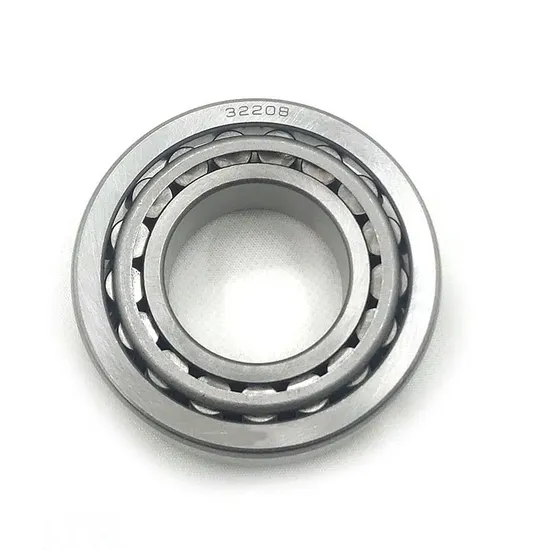
Convert 25mm to Inches: Ultimate Guide for Precision Bearing Sizes
Summary
Converting 25mm to Inches: A Personalized Guide for Engineers and Hobbyists
As an engineer with over a decade in the precision machinery field, converting measurements is a task that often crosses my desk. Today, I want to share my insights on converting 25mm to inches, a common challenge for those dealing with bearing sizes. This guide is tailored for engineers and hobbyists who seek precise measurements and a deeper understanding of bearing dimensions.
Conversion Process: The Basics
Converting 25mm to inches is straightforward. You simply multiply the millimeters by 0.0393701. So, 25mm is equal to 0.98425 inches. This conversion is crucial for ensuring that the bearing you choose fits perfectly in your application.
The Importance of Precision in Bearing Sizes
Precision in bearing sizes is paramount. Even a small discrepancy can lead to premature wear, increased vibration, and reduced performance. As an engineer, I’ve seen firsthand how a millimeter or two can make a significant difference in the life and efficiency of a machine. It’s not just about the numbers; it’s about the reliability and longevity of the equipment.
Common Applications
Bearings are used in a wide range of applications, from industrial machinery to everyday consumer products. In precision machinery, they are essential for reducing friction and supporting rotating components. Whether it’s a high-speed spindle in a CNC machine or a simple motor in a household appliance, the right bearing size is critical for optimal performance.
Real-World Examples
Let me share a personal anecdote. In a recent project, we had to replace a bearing in a critical piece of equipment. The original bearing was 25mm in diameter, and we had to ensure the replacement was an exact match. Any deviation could have led to system failure. After careful measurement and selection, we found a bearing that was within the required tolerance, and the machine ran smoothly for months without any issues.
Expert Advice
When it comes to selecting the right bearing size, it’s always good to consult with an expert. They can provide valuable insights based on their experience and knowledge of the specific application. As an engineer, I always recommend thorough research and, if possible, a professional consultation to ensure the best outcome.
Case Studies
Here are a couple of case studies that highlight the importance of precise bearing sizes:
| Case Study | Application | Bearing Size | Outcome |
|---|---|---|---|
| Automotive Engine | Engine Bearings | 25mm | Increased engine life and reduced maintenance costs |
| Industrial Robot Arm | Robot Arm Bearings | 25mm | Improved precision and efficiency in robotic operations |
Solutions
When dealing with bearing sizes, it’s essential to have the right tools and resources. This includes precise measuring devices, a wide range of bearing sizes, and access to technical specifications. As an engineer, I’ve found that having a comprehensive resource library and reliable suppliers is key to successful projects.
FAQ Section
Q: Why is it important to convert millimeters to inches for bearing sizes?
A: Converting millimeters to inches ensures that the bearing fits perfectly in applications that use imperial measurements, such as in the United States.
Q: Can I use a bearing that is slightly larger or smaller than the specified size?
A: It’s not recommended. Even a small deviation can lead to performance issues and premature wear.
Conclusion
Converting 25mm to inches is a fundamental skill for anyone working with precision machinery. It’s not just about the conversion itself; it’s about the precision, reliability, and longevity of the equipment. As engineers and hobbyists, our goal is to ensure that every component, including bearings, is chosen and installed with the utmost care and precision.
Keywords
Conversion, 25mm to inches, bearing sizes,
Mentioned in This Guide
KOYO / JTEKT bearings covered in this article
Open a product page to compare designations, then send the exact part number for a written quote.
01 Taper Roller Bearing
30216 J2/Q Tapered Roller Bearing 80x140x28.25mm – High-Precision Factory Direct
View Details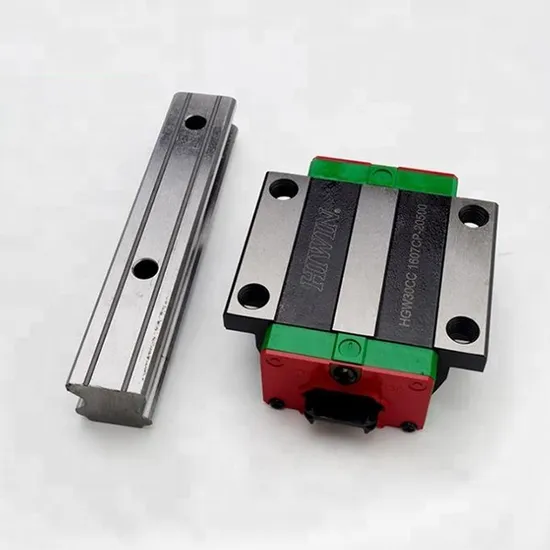 02
Alloy Guide Rail
Original HIWIN HGL25HA/HGL25CA 25mm Linear Carriage Block
View Details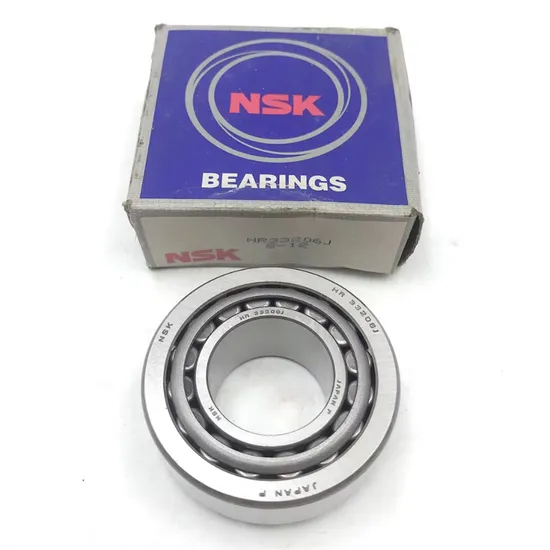 03
Taper Roller Bearing
Tapered Roller Bearing 33206 30×62×25mm Long Life
View Details 04
Alloy Guide Rail
BDL HSR25R/30/35R 25mm Heavy-Duty Linear Guide Rails for CNC
View DetailsKeep Reading
More bearing identification and replacement guides
Browse all bearing guides
Procket Bearing Solutions: Industrial Efficiency & Reliability Boost
In this comprehensive guide, I delve into the world of procket bearings, offering insights into their techni
Read the guide
18mm to Inches: Precision Conversion for Your Bearing Needs
an experienced mechanical engineer, I've often found myself navigating the fine line between metric and imperial meas
Read the guide Superior Load-Bearing Solutions: Find the Perfect Keyword Bearing for Your Needs
Superior Load-Bearing Solutions: Find the Perfect Keyword Bearing for Your Needs Product Overview In th
Read the guideWritten Quotation
Send your KOYO / JTEKT part numbers for an exact-match quote
Machinery Company checks every model and suffix before quoting. Standard, precision, heavy-duty and automotive bearings can go on one list, and any suggested alternative is listed separately for your approval.
- WhatsApp: +86 152 6918 8020
- info@jpkoyo.com
- 8 Research Drive, Greenville, SC 29607, USA
Request a Quote
Include model, suffix, quantity and destination. Photos of the marking help too.